Impact
Selected sustainability efforts, projects, and community impact.
Sustainability Student Representative
I am a Student Representative on the Lake Washington School District's Sustainability Advisory committee, a title awarded in recognition of tireless efforts to drive sustainable change at my school.
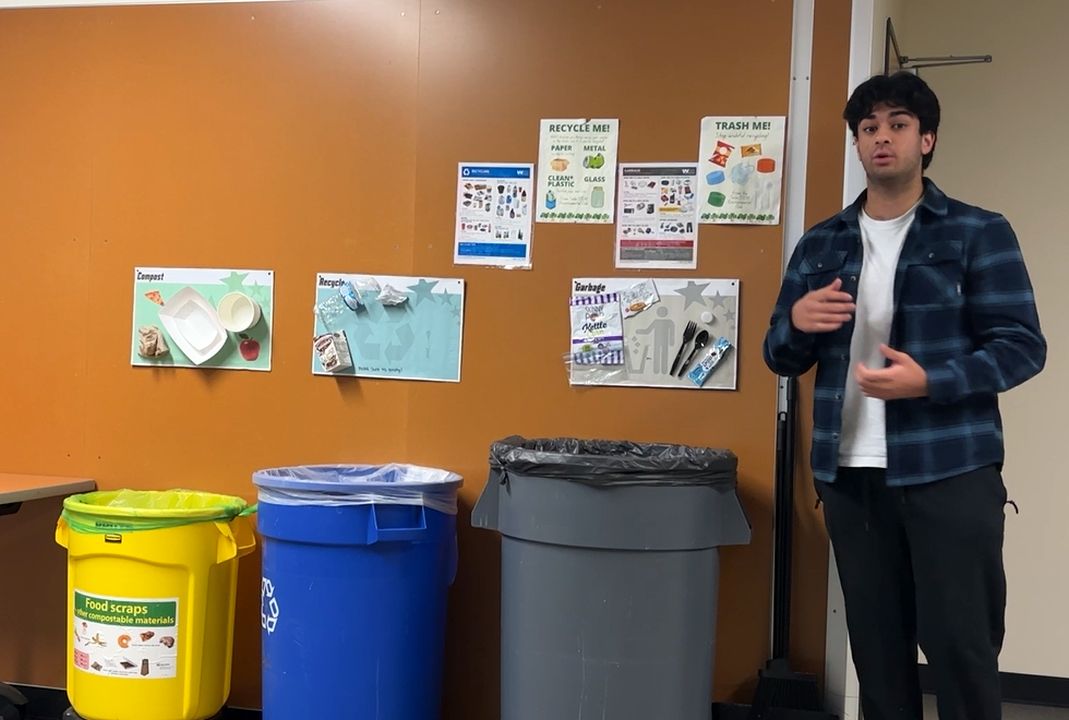
It all started with a waste audit that we conducted in my Environmental Engineering and Sustainable Design (EESD) class. We sorted through trash after school for hours, multiple times a week. We set up cameras to record what students were throwing away. With sore arms from sorting and strained eyes from watching hours of footage at 4x speed, we had both quantitative and qualitative data. We implemented initiatives, like signs, posters, and student helpers for sorting, which helped redirect 20% of landfill to compost. But at the end of the unit, I was still left unsatisfied. I knew that our school could do better. Reaching out to Microsoft, hoping to learn about their infrastructure, I noticed how effortlessly and willingly employees composted. I reanalyzed our data, spotting a crucial data point: for every 1 lunch boat composted, 4.5 made their way into the trash. Out of that 4.5, 4.2 contained some sort of plastic cutlery. It hit me that our problem wasn't negligence but rather the setup. Microsoft cafeterias only provide compostable lunchware. At school, landfill is a tempting single-bin option. Composting is that extra step. In a rush to class, it often becomes the first one skipped. Sustainability had to become the quick & easy choice.
I presented the idea of fully compostable lunchrooms to my principals, following up with the district board. I partnered with Waste Management, Cedar Grove, and our district's environmental department to drive change. I secured a $10,000 King County green-school grant for our school, securing funding for this transition. This also helped fund student-led sustainability projects: part of a curriculum I helped co-write with my EESD teacher. Just as the cutlery project was gaining momentum, cafeteria vendor Sodexo showed reluctance. I negotiated a 45-day pilot to prove results with real data.
To shift culture and prepare for this transition at school, I helped organized a “Sustaina-Fair” that drew 500 community members. With students, parents, teachers, and community members in attendance, we showcased the sustainability initiative from our school and explained what everyone could do to get involved and apply such things to their own lives. I spoke to countless people, hearing their perspectives and encouraging them to commit to at least one sustainable lifestyle change each. In recognition of my efforts, I was given the representative role. By connecting with and resonating with Juniors in EESD, I've ensured the role continues beyond me. As I continue pushing the pilot and overall reform at my school, my motivation remains the impact I see evolving in my community.
I've learnt through rejection, reflection, and iteration, that progress isn't mere innovation. It's about persistence and communication. Through my experiences, I hope to empower fellow students to challenge norms within all fields and take responsibility toward a world we are proud of. Ultimately, I strive to turn such systemic changes into thunderous movements that outlast their creators.
Water Conservation
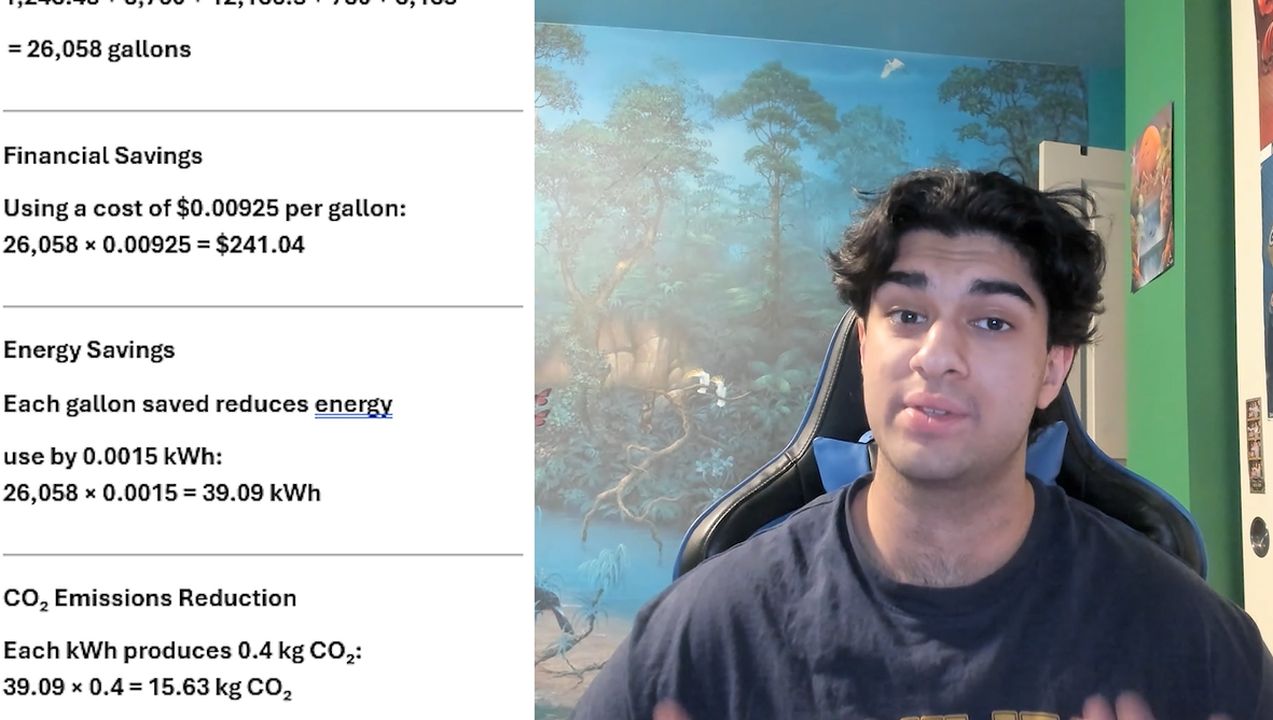
I did research on water conservation and created a video to share simple steps that everyone can take to reduce water wastage. This project was aimed at raising awareness about the importance of conserving water in our daily lives.
Electricity Conservation
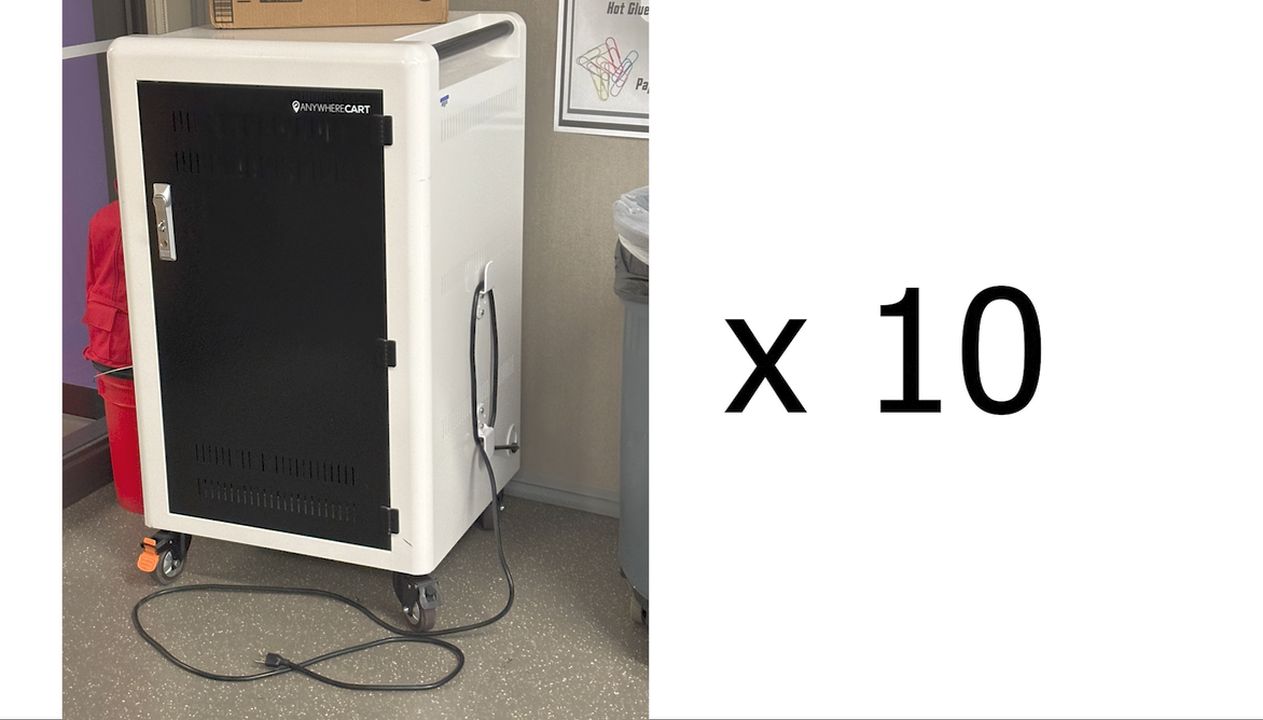
Out of curiosity, I wanted to see if I could save on electricity used by the laptop charging carts in our school. I conducted an experiment to measure the energy consumption of the carts and explored ways to optimize their usage. The results were promising! I shared my findings & ideas to optimize electricity usage with the school administration.
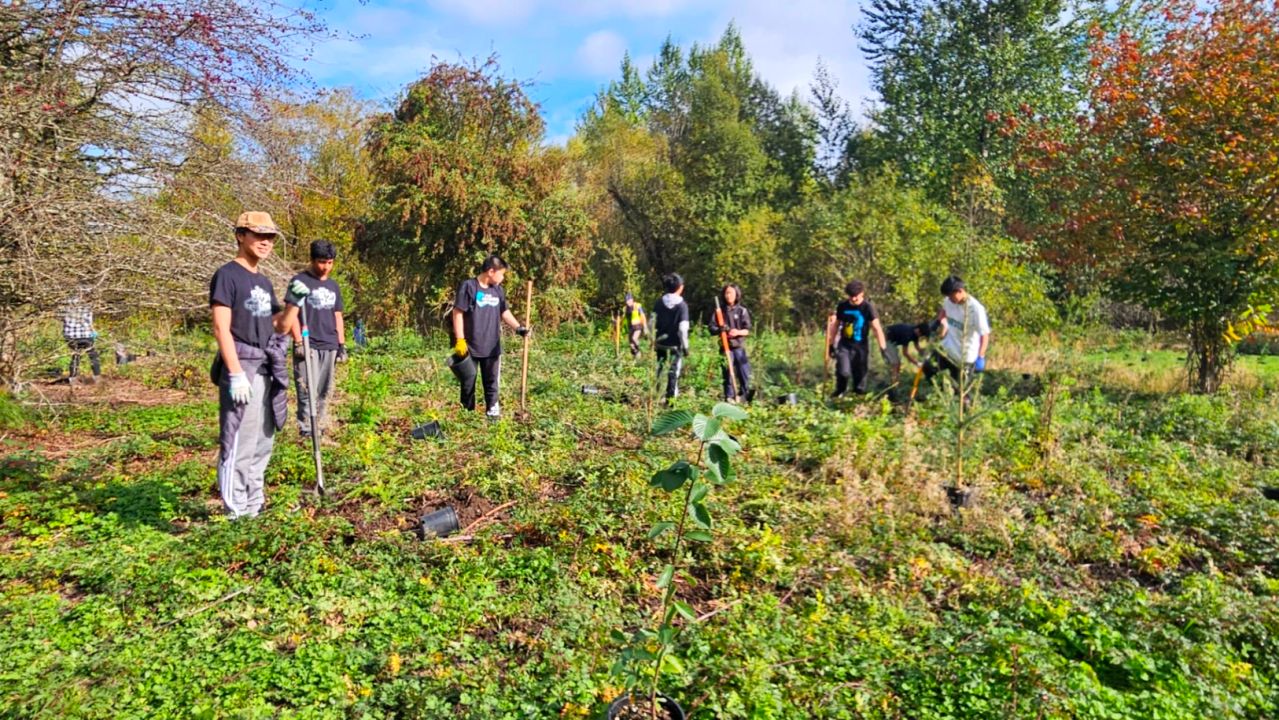
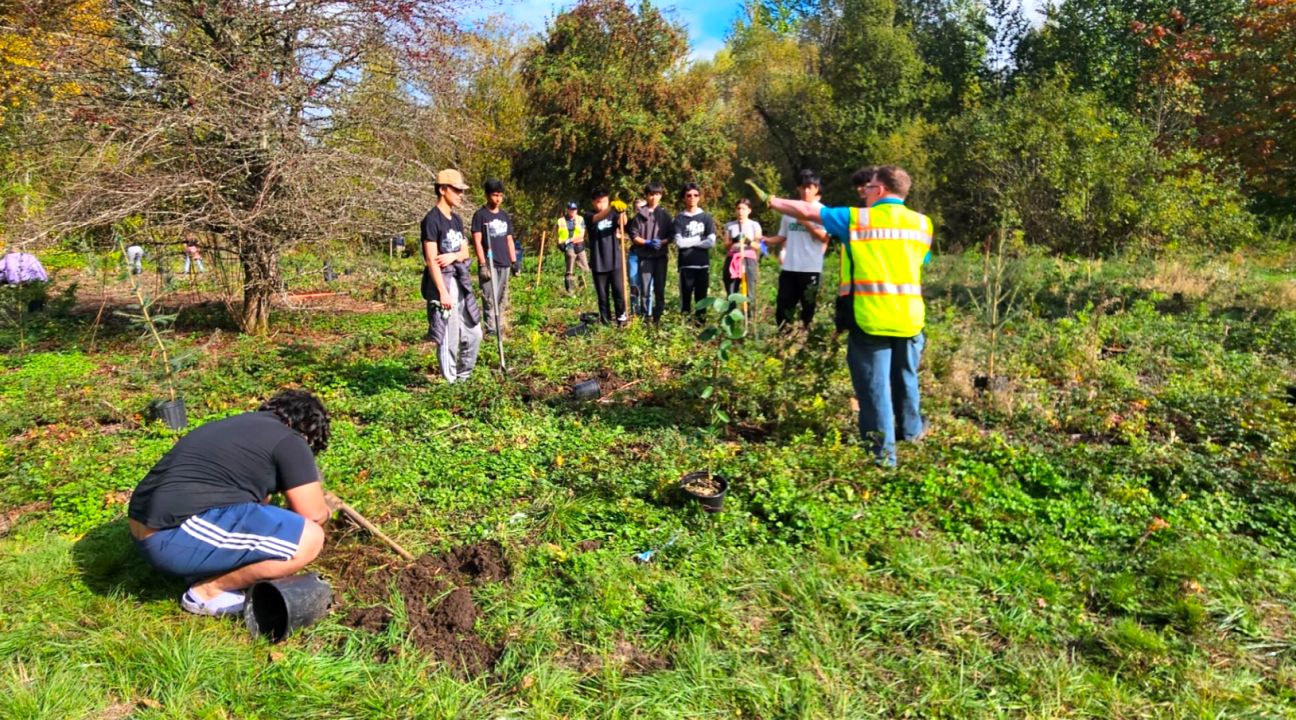
Re-forestation
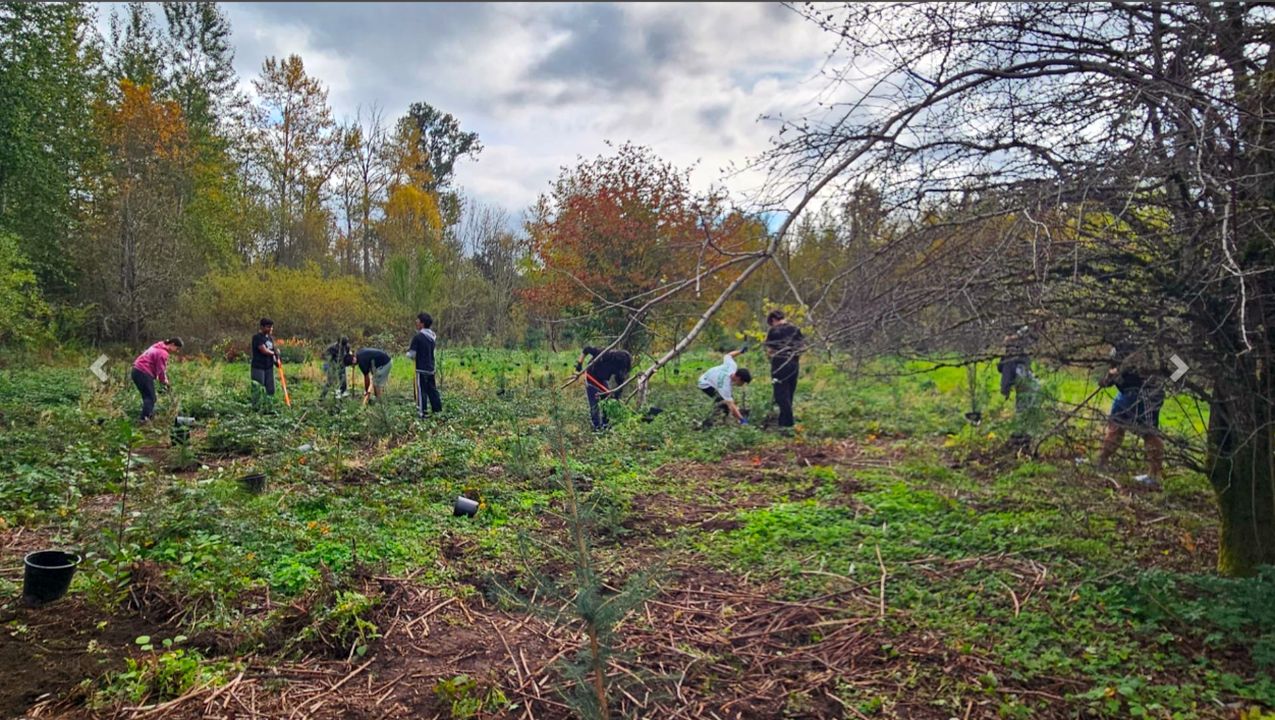
I lead an effort undertaken by my Scout troop to plant 1000 trees in just 2 days. This project was aimed at re-forestation and restoring natural habitats behind a park in our area. It was a challenging but rewarding experience, and it taught me the importance of community involvement in environmental conservation. What could be more rewarding than receiving a conservation award for this effort!
Smart Gardens
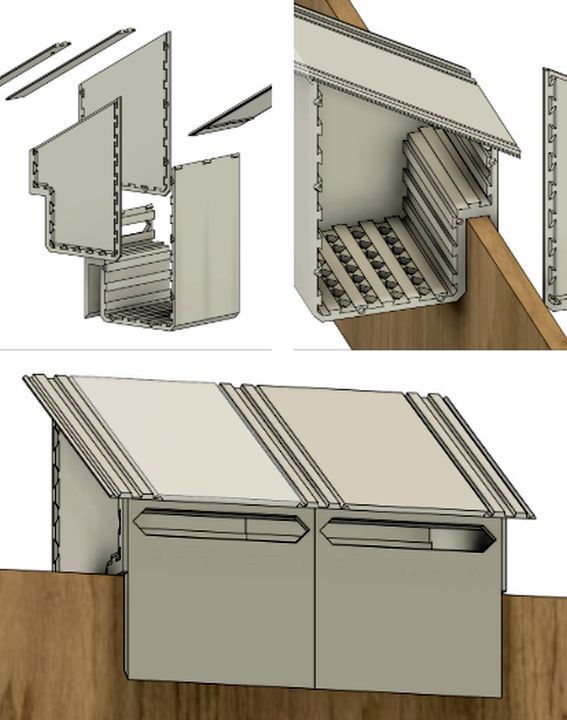
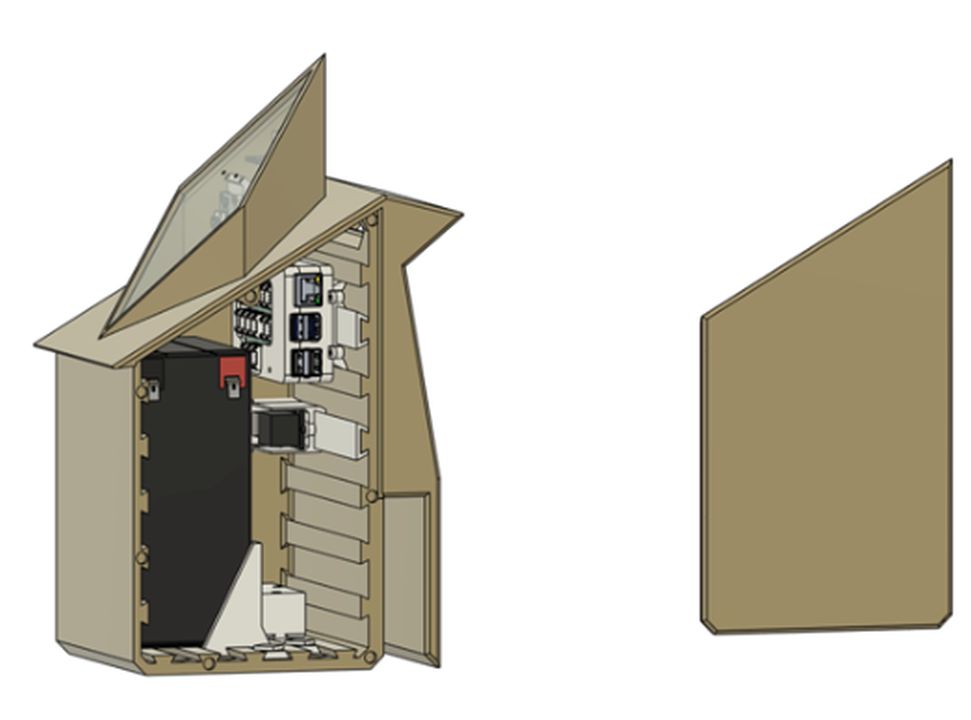
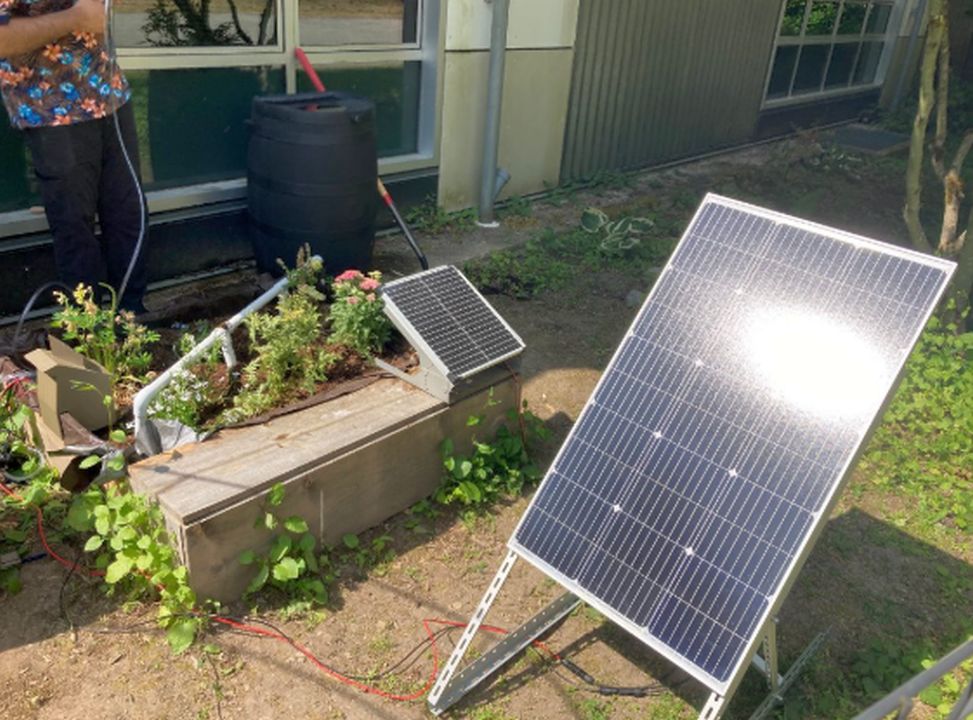
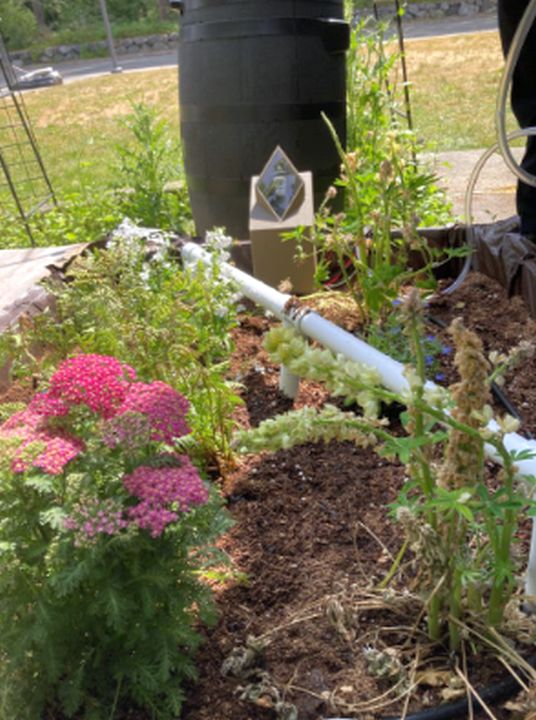
In the environmental engineering class, we built a self-sufficient garden system for our school garden.
• Sensors assess environment conditions such as soil moisture, temperature, humidity and initiate irrigation accordingly
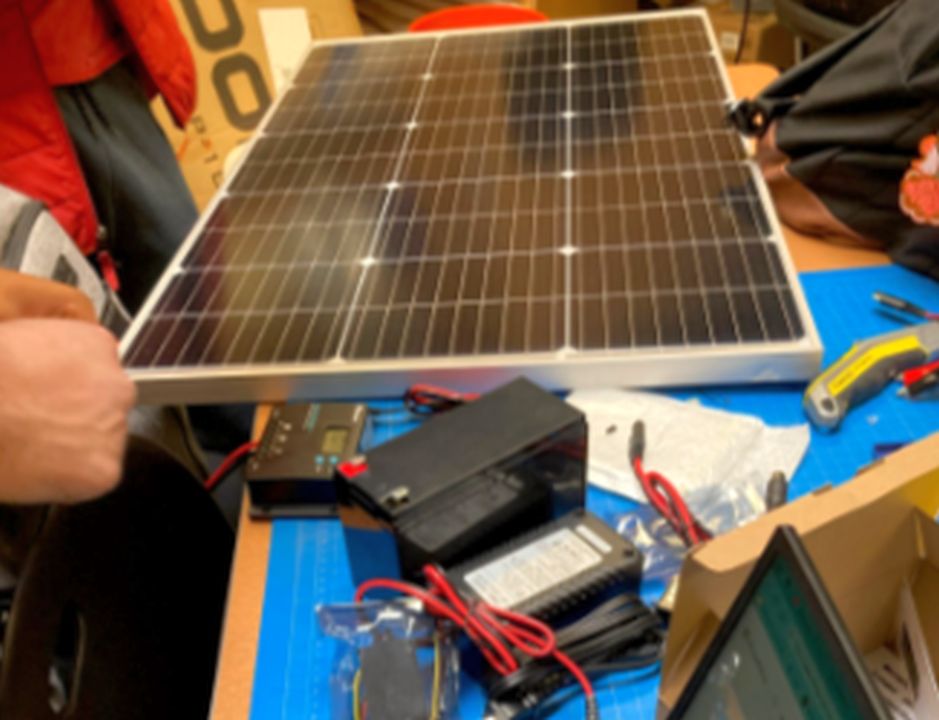
• Solar panel powers the entire system
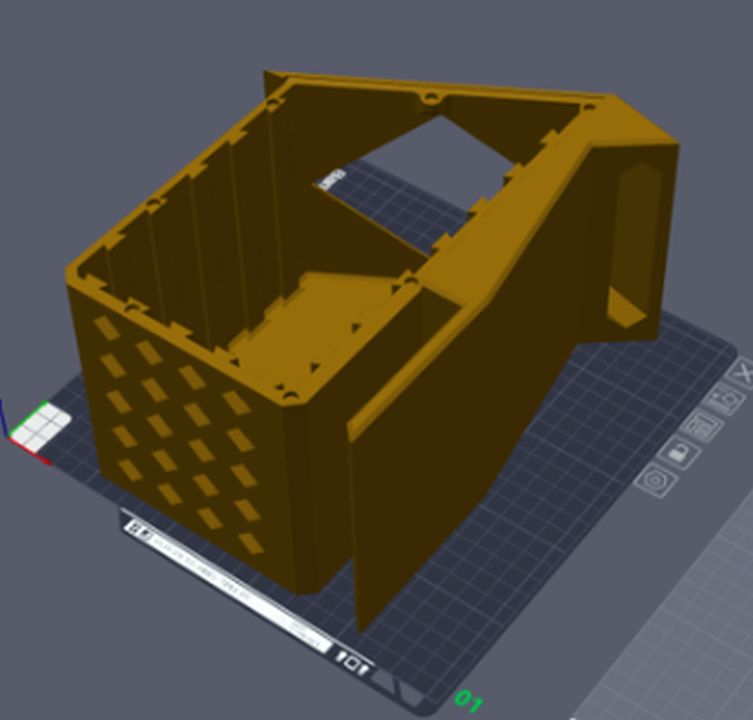
• Modular design & 3D printed extensible units allow for easy expansion of the garden system
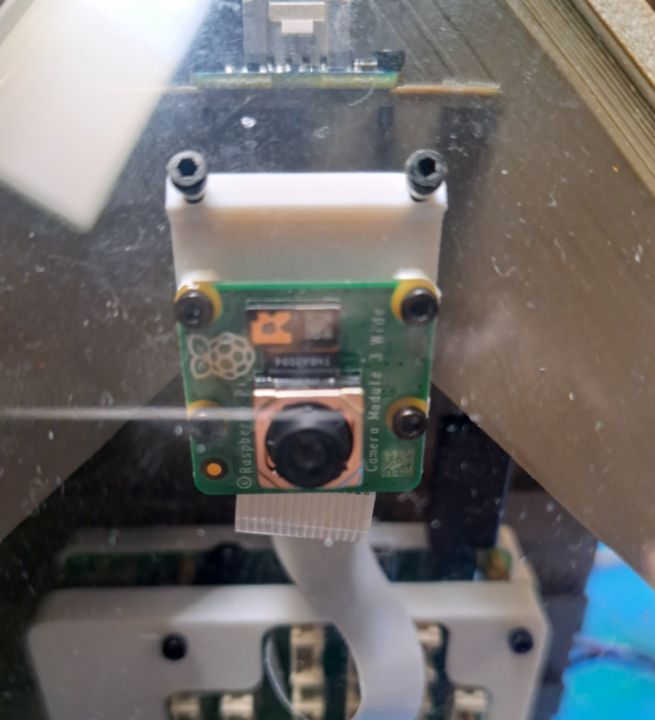
• Camera gives a live view of the garden
• Raspberry Pi controller runs the entire system
• Rain barrel provides water for irrigation, we hope that this system will take care of our garden during summer breaks!